Just a few weeks ago, Chao Zhang invited me to a workshop in AI security at Tsinghua University in Beijing. Chao and myself overlapped as post docs in Dawn Song's BitBlaze group at UC Berkeley and we're both deeply interested in low level systems security, binary analysis, fuzzing, and mitigation of vulnerabilities. In addition, we're both avid CTF players. As I heard that Zhenkai Liang and Lorenzo Cavallaro would also be speaking at the workshop, it was clear that I had to go to meet with old friends and to make new ones!
Meeting past visitors
Upon arrival in Beijing, I breezed through security. Thanks to the visa-free travel, getting into China has become a smooth process for European citizens.

At the airport, I was warmly welcomed by Zezhong Ren (PhD student at the Chinese Academy of Science) and Yishun Zeng (PhD student at Tsinghua University). Both of them visited my group for a year for an exchange where we worked together on automated testing. Yishun worked on testing browers and Zezhong targeted underfuzzed areas in the Linux kernel. After a quick ride to the hotel to drop off my bag, we went to explore the Qianhai food market where we ate tripe in peanut sauce. The over-indulgence in food will be a common pattern during this trip but highlight some of the interesting cultural differences, so stay with me. While trip was commonly eaten in Liechtenstein in the 80ies, it quickly got out of fashion. Apparently, it's still a speciality Chinese cuisine.
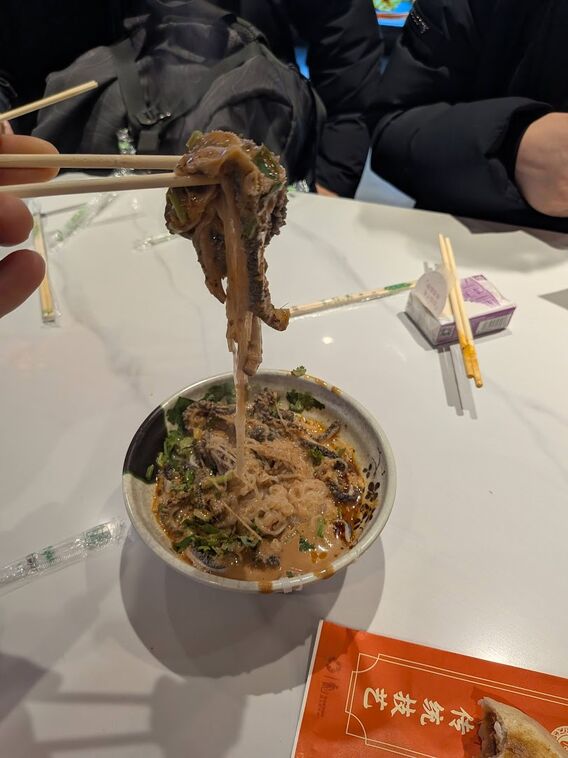
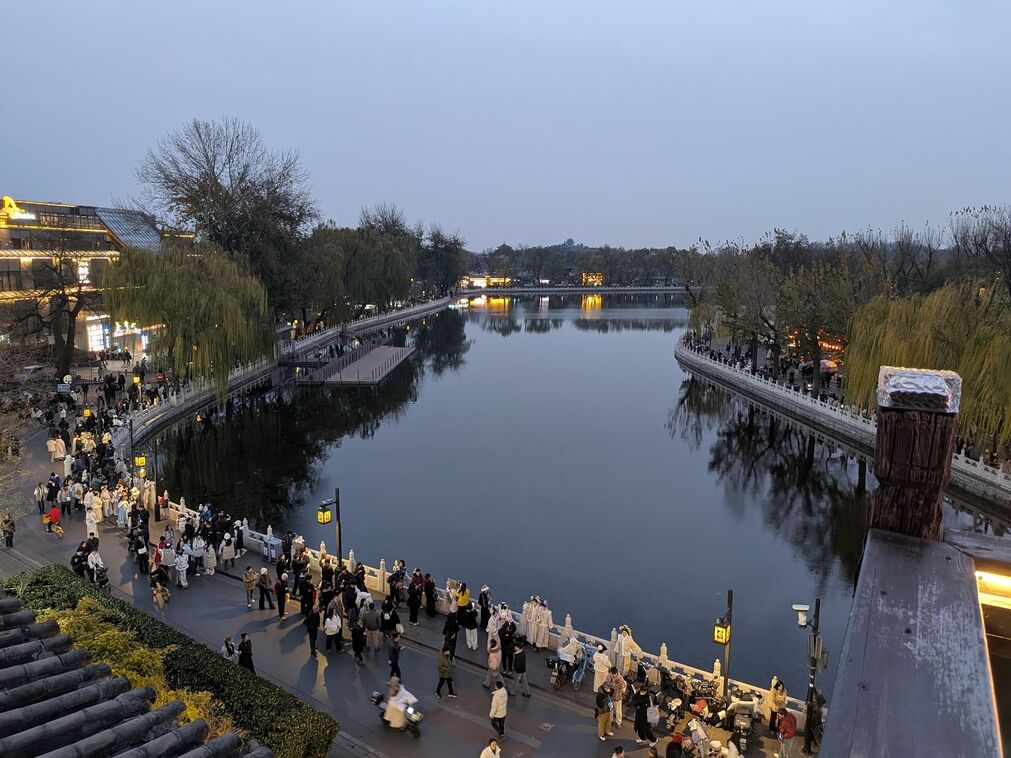
After an extensive walk along Qianhai with a beautiful view, we explored old Beijing with its single story houses and closed off court yards. As an active GeoCacher, I had to show them this amazing sport and we even managed to find a cache I did not find in 2016 during my first visit to Beijing.
At the restaurant, we met up with Zheyu Ma also a former visitor and recent graduate from Tsinghua university to eat like kings and share a few stories. What followed was an extensive meal with Peking duck, "Chinese tacos" and my first get together with Maotai, a strong liquor based on millet that is often drunk during celebrations or business meetings. To me, the get together was of course more on the celebration than on the business side. I deeply appreciated my former students taking me along and sharing their culture, city, and background with me.
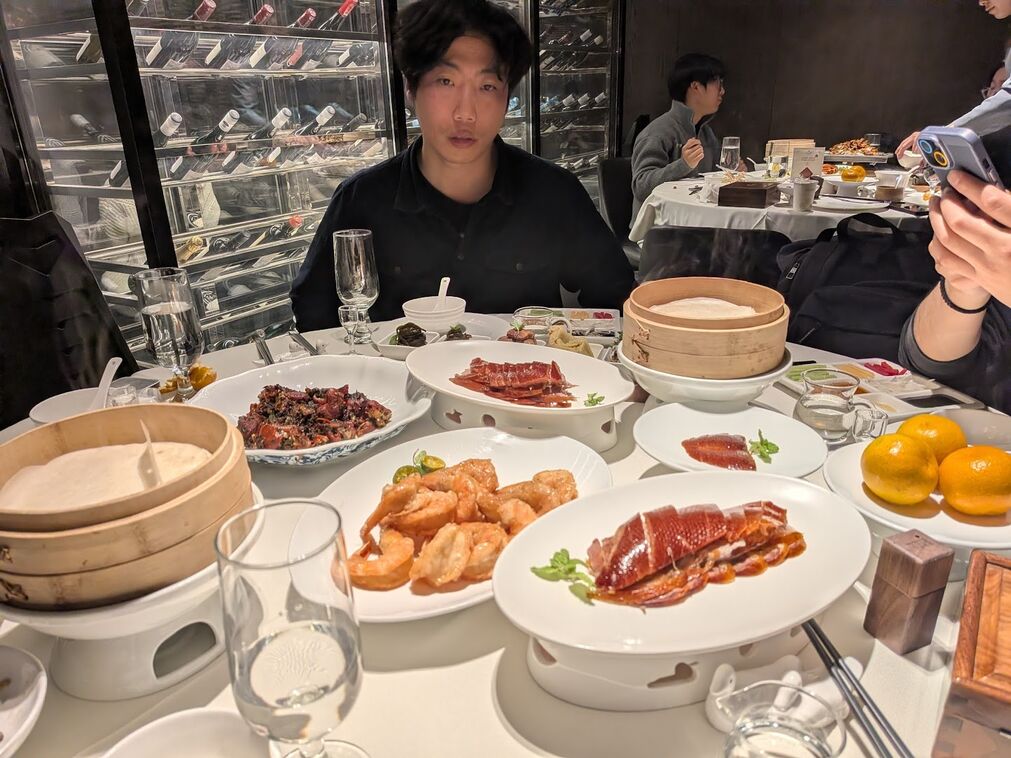
It was interesting to observe the Chinese cheering culture where people make toasts, engage, share some nice words, and then continue. For a Westerner who is used to drink at their own pace, the synchronized cheering was an interesting difference. As in, we would for example get a beer or other drinks, cheer at the beginning and then everyone would sip at their own pace. Here, instead, we would cheer and drink together.
Back at the hotel, I caught up with emails and work before (trying to) crash and fight jetlag.
AISec and Tsinghua
In the morning I had a hard time waking up as my body told me that it was just midnight when the alarm woke me. With only one eye open, I met Zhenkai for a Chinese breakfast with noodle soup, Chinese tacos, dumplings, and steamed buns. I really could get used to savory breakfast. Compared to my default Müsli, this was an interesting difference. After rushing through Beijing traffic to Tsinghua university, we had a great morning of talks and an even better afternoon of discussions.
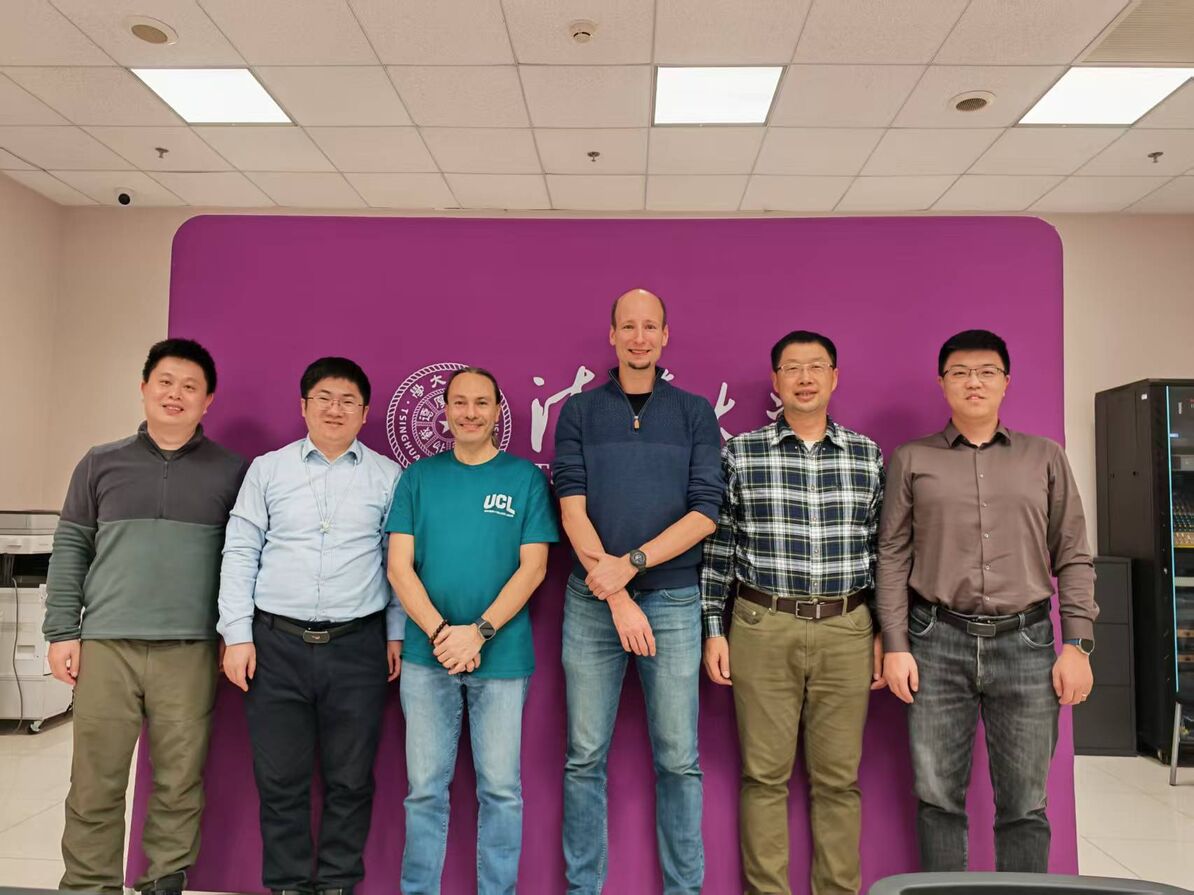
The discussions focused on protecting systems against attacks, potentially using AI technologies. Chao has pushed a strong research agenda in binary similarity and analyzing weaknesses automatically. The future will likely be semi-automated systems that support developers in finding bugs and guiding them through patches.
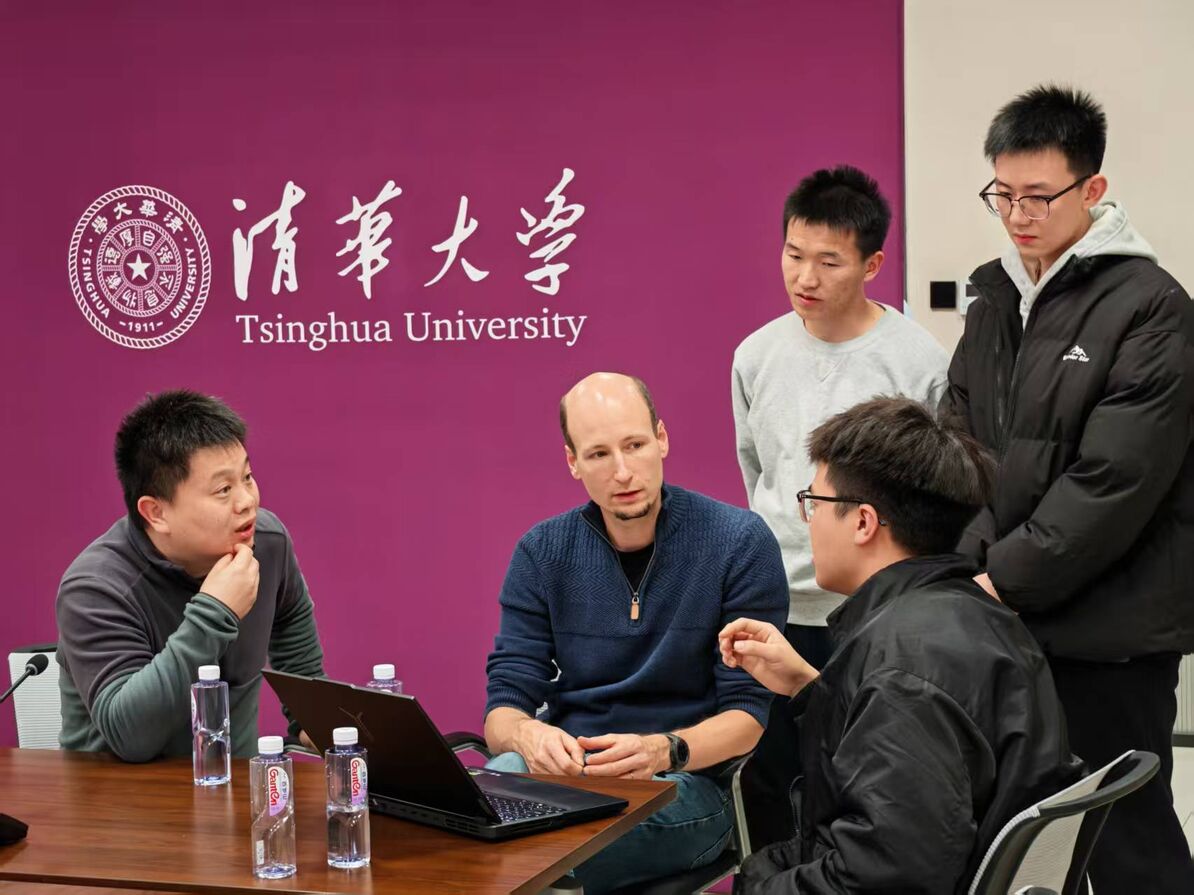
Overall, the workshop was very enlightening with diverse topics around bug finding and protection of systems. It's great to see other groups focusing on system security. In a world where attackers generally have an edge, groups working on defenses must join forces to share ideas, knowledge, and approaches.
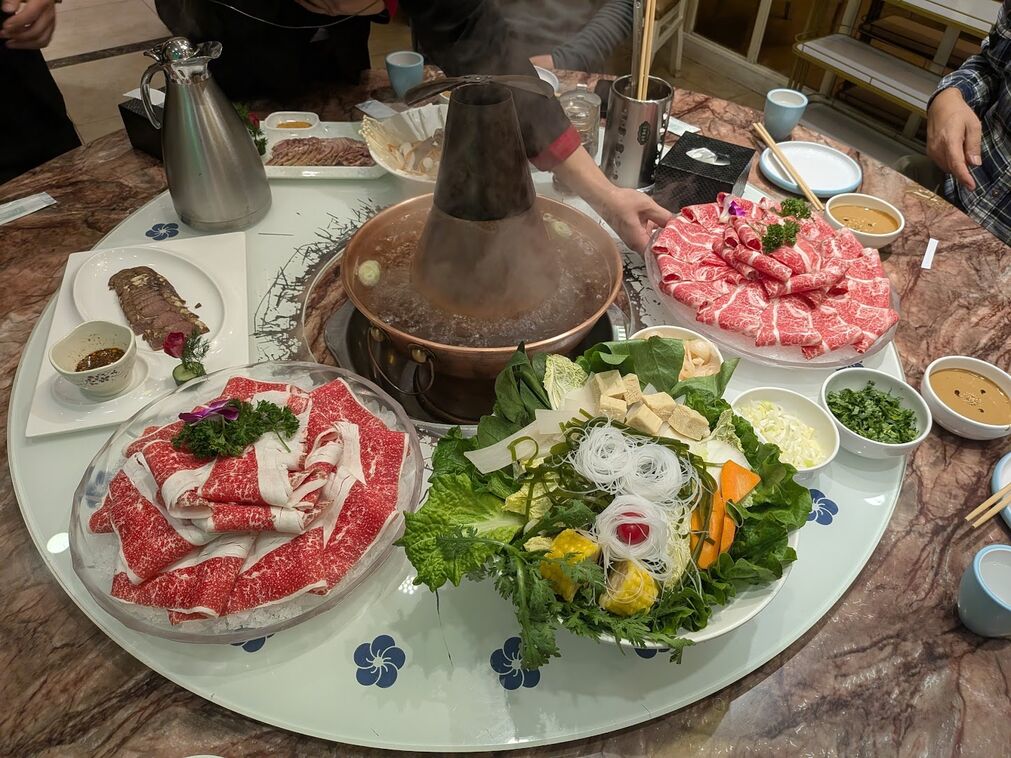
After extensive discussions, we went to a fancy restaurant (are restaurants in China ever not fancy?) to eat hot pot, this time with a plain broth to better savor the different meats. We mostly focused on lamb but also had interesting mushroom and different cabbages. To drink, we got a corn based hot beverage along with the typical hot water.
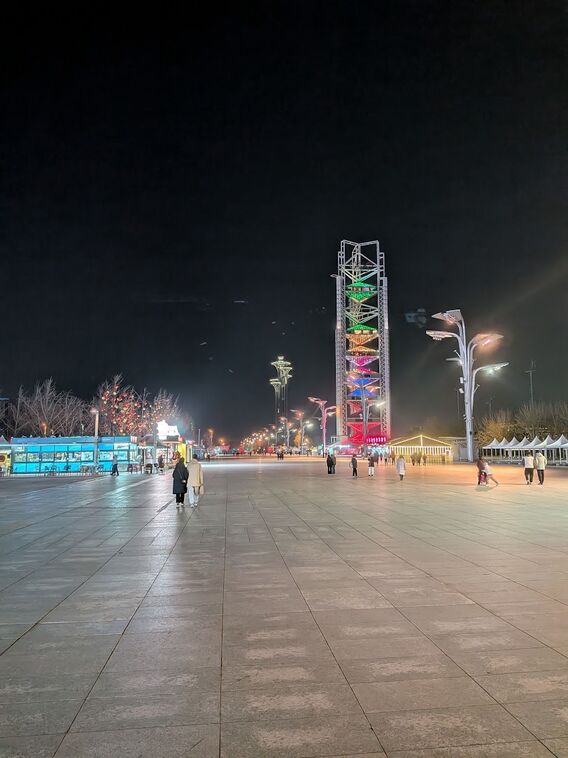
Due to the extensive dinner, we needed to walk off some calories and used the opportunity for an extensive stroll through the Olympic village from the Beijing Olympics. The sport structures remain extensively used, even in winter, and lots of people enjoyed the extensive area to take strolls, meet, chat, and linger around with a drink. It was great to see so many people walk and enjoy the area in a big city. Also, it was quite different from the forbidden city as it was a bit less touristy (but only slightly so).
Tianjin and Chenguantunzhen
On my final day of this short trip, we took the fast train to Tianjin, a city towards the sea to explore the home town of Zhenkai. He gratuitously offered to show us his home and the area/culture where he grew up. Taking the Chinese fast trains is always an experience, zipping through the backlands at over 300 km/h never ceases to amaze me --- and I'm a tad sad that Europe does not manage to build such a great inter-connected train system.
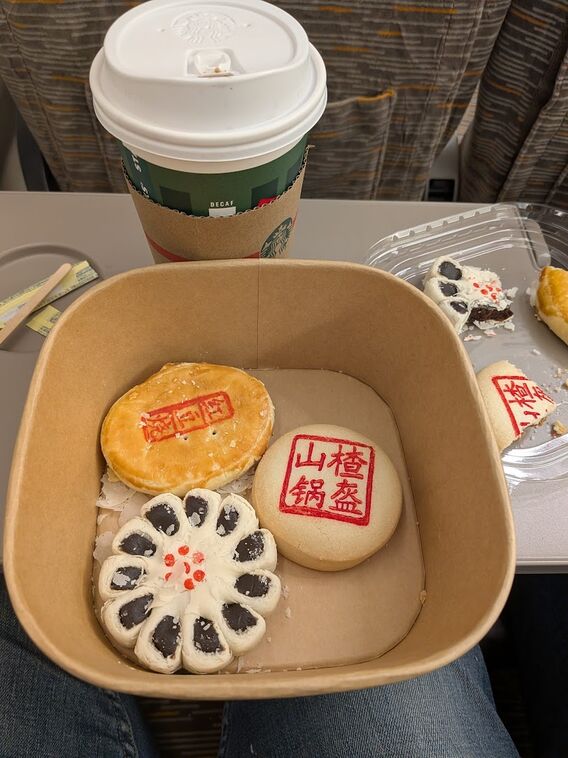
If you haven't noticed so far, it's customary to eat a lot in China. And in the train, we tried local cookies with plum, bean paste, and rose pedals. My favorite were the bean paste ones, followed by plum. I somehow can't get used to the rose pedals.
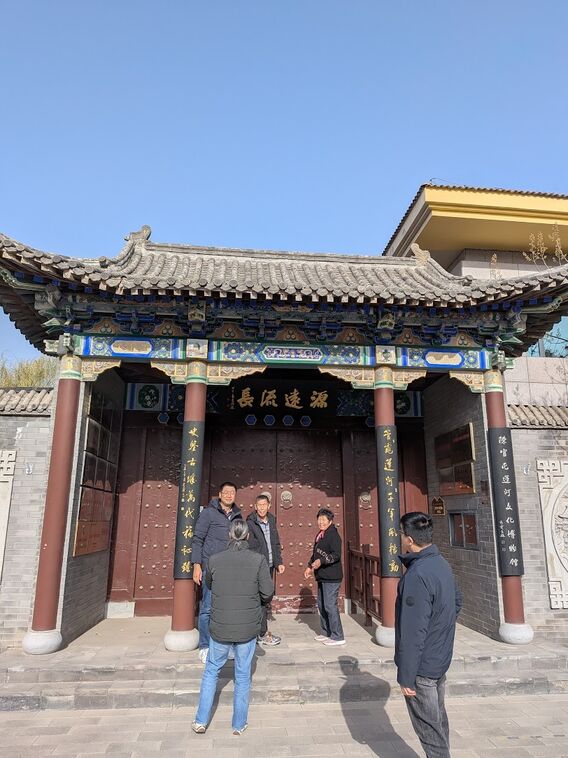
From Tianjin, Zhenkai's dad drove us to Chenguantunzhen, a small town nearby. We explored the heritage museum that showcased the extremely rapid transformation this region went through in just one generation. From clay houses with single family beds to high rises, all that in about one generation. The Chinese society leapfrogged across one or two generations and I wonder how people managed to keep up in such a fast paced fast changing world.
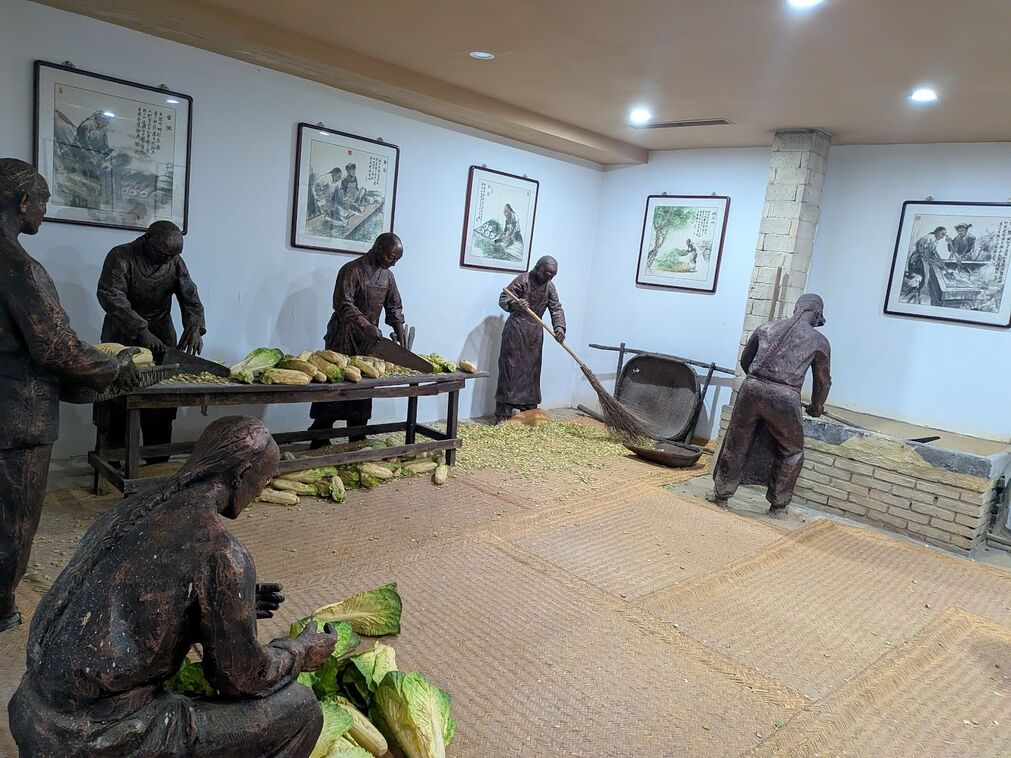
The area defined itself through agriculture and its fields and I'm sure you don't mind me bringing up the customary "my cabbages" joke.
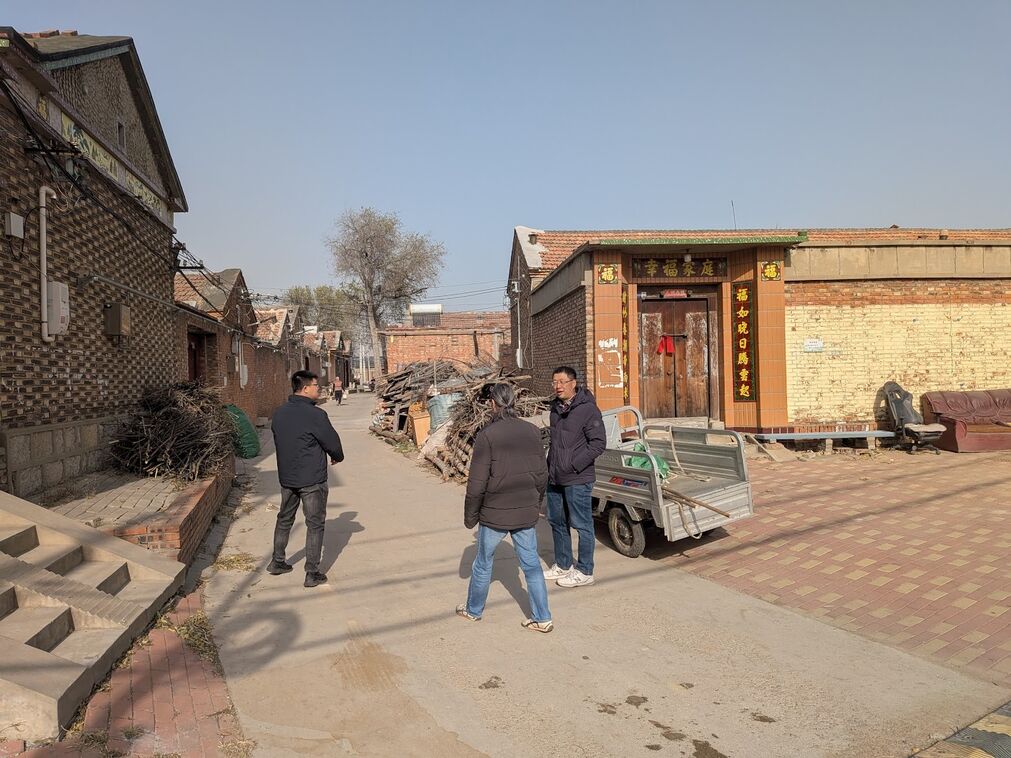
Later we drove to the street where Zhenkai grew up, in one of those square lots that contains a small house with 3 rooms (bedroom, kitchen, second room) along with a large storage area. Interestingly, the houses are surrounded by high walls. Apparently, this is due to the lack of security up to the 70ies in these regions where burglary remained common. This somewhat explains the desire of the society for protection and security, often trading off privacy (or our notion of privacy) for a sense of physical security.
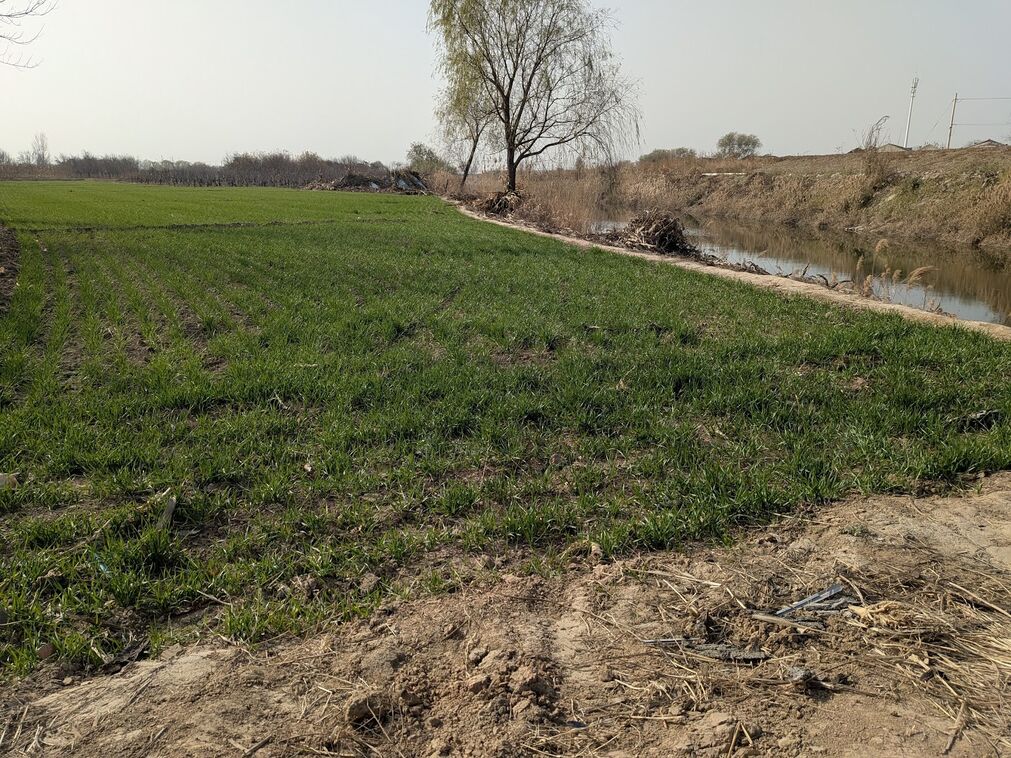
The people in the area are farmers. While the larger fields outside are cultivated using big equipment, the fields closer to the village remain allocated to the different families so that they can grow their rice, their corn, their cabbages, and other legumes.

Apparently the region is well known for their nuts, especially peanuts but also different forms of pop corn. Also, you can't buy just a small bag as the smallest size they had was about 5kg. Of course, we had to indulge.
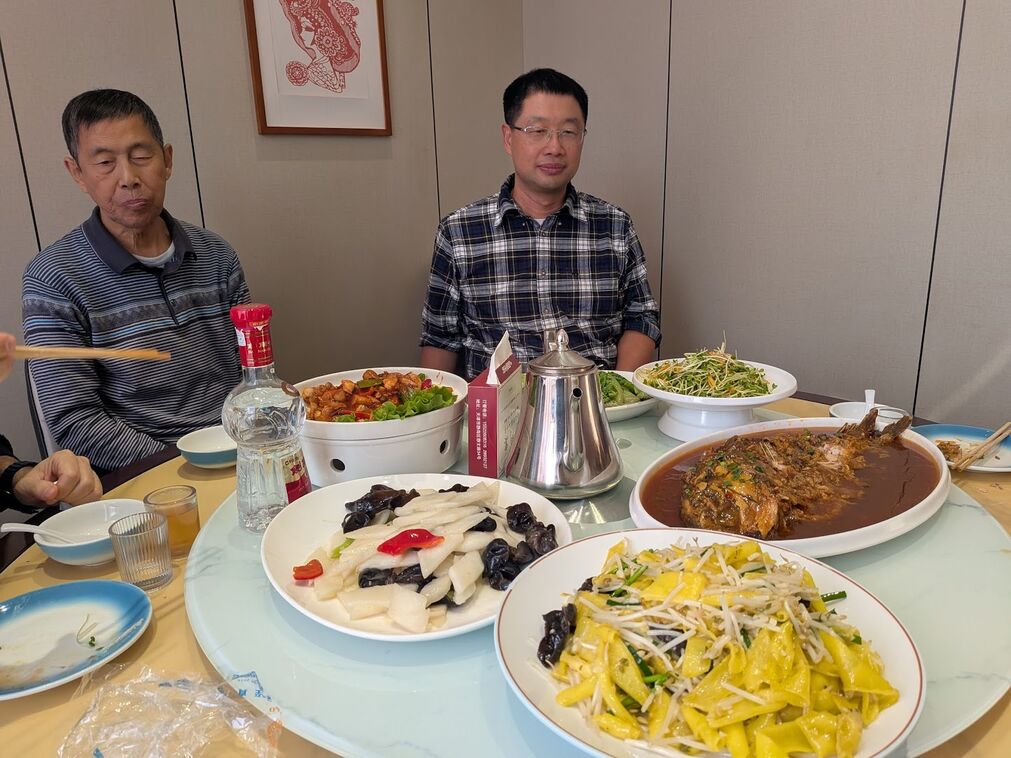
This amazing visit was rounded off with a lunch where we tasted several local dishes, carp from the great canal, and bean paste omelettes. I'm deeply thankful for Zhenkai for showing me his heritage and the local customs. 10 years ago, I visited China as a tourist. This time, I learned about the local customs. While this is only one glimpse into the local culture, it widened my horizon. I will definitely be back to explore more. And I'm also looking forward to excellent research collaborations.